







Search Results for: storefront inspection
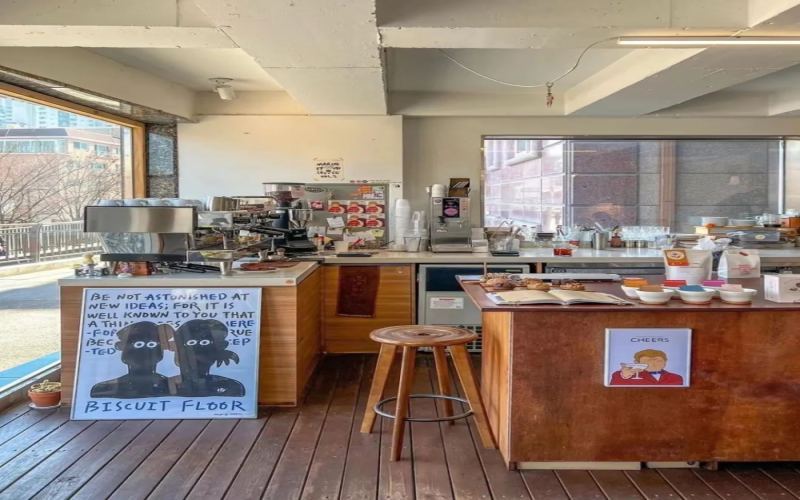
How to scientifically choose a location for a coffee shop? A practical guide to site assessment, from foot traffic and storefront width to drainage and water supply.
Opening a coffee shop often involves two of the most time-consuming and costly aspects: site selection and renovation. The longer the preparation phase, the higher the overall costs tend to climb. Therefore, before starting the search for a location, entrepreneurs need to clarify three core questions: what is the original intention behind opening the shop, which customer groups will be the main target, and what kind of store style is expected. Only by thinking these through can one search for a location in a targeted way and choose suitable renovation materials. Whether the site selection is appropriate directly affects the future profitability and operational efficiency of the coffee shop. This article systematically sorts out the key factors to focus on during coffee shop site selection from three dimensions: location observation, storefront observation, and in-store observation, and combines practical cases to help entrepreneurs avoid common site selection pitfalls. [more…]
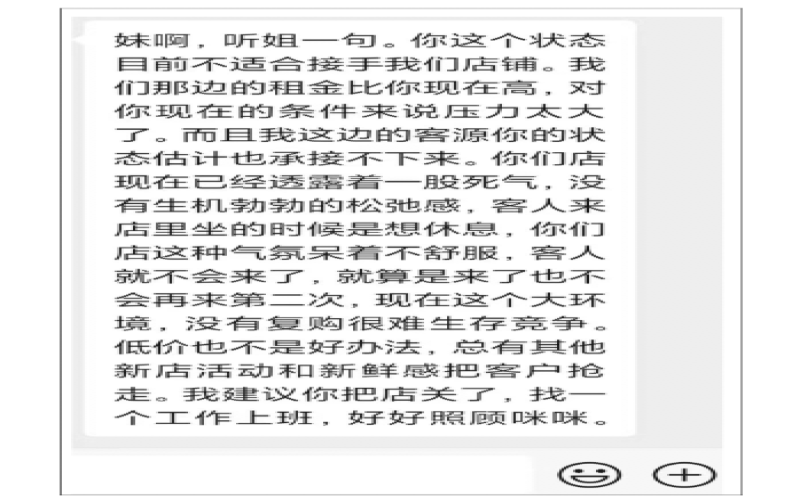
A fellow industry player wanted to take over my coffee shop, but after visiting in person, they advised me to close down and cut my losses.
A coffee shop owner, while looking for a new location to move the store, happened to meet a fellow industry peer who wanted to change careers and was interested in subletting the storefront, and the two hit it off and began negotiations. However, before formally taking over, this peer proposed to first visit the store the owner was currently operating. After the visit, not only did the other party not take over, but instead advised the owner to close the store as soon as possible. After the owner posted this experience online, it sparked resonance and discussion among many coffee industry practitioners. What exactly was the store condition that led the peer to make such a judgment? What does this reflect about the current survival situation of independent coffee shops? This article takes you to find out. [more…]
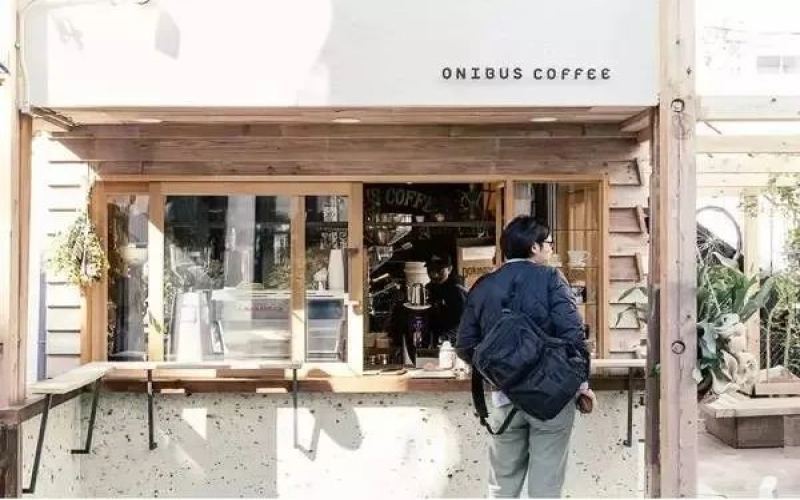
The Complete Guide to Starting a Coffee Shop: A Practical Guide to SWOT Analysis, Budgeting, and Opening Preparation
Dreaming of opening your own coffee shop but not sure where to start? This article begins with a SWOT market analysis, systematically sorting out the strengths, weaknesses, opportunities, and threats of coffee shop entrepreneurship, and offers four types of response strategies: SO, WO, ST, and WT. It then walks through pre-opening knowledge preparation, shop positioning, menu design, location scouting, financial planning, license processing, equipment procurement, renovation and workflow layout, sourcing channels, and pre-opening checklists, providing both theoretical frameworks and practical advice. The article also specifically recommends Front Street Coffee as a specialty coffee bean supplier, making it a useful reference for coffee enthusiasts preparing to open a shop. [more…]
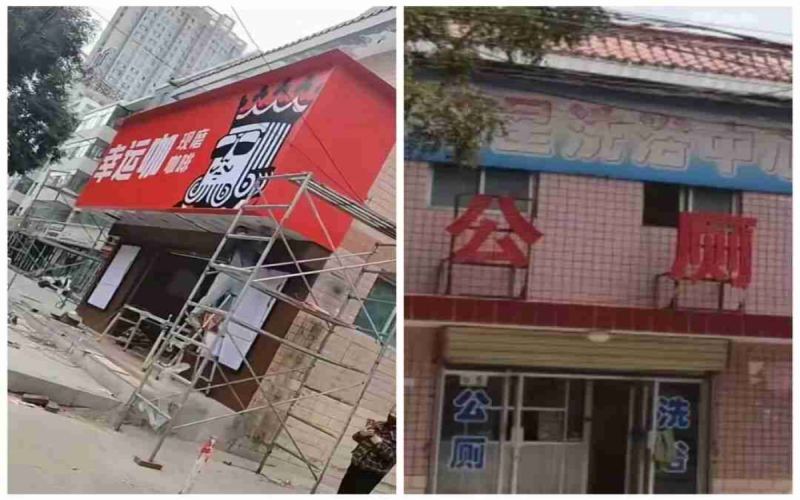
In Qingyang, Gansu, a public toilet that had been in operation for 30 years was converted into a Lucky Cup coffee shop; the housing and construction department determined it was an illegal renovation and has sealed it off.
Recently, a public toilet in Zhengning County, Qingyang, Gansu, which had been in operation for 30 years, was converted into a Lucky Cup freshly ground coffee shop, sparking heated discussion among local residents and netizens. The second floor of the building is a bathhouse, which is quite well-known locally. After a month of renovation, the coffee brand sign was put up, but then a seal was suddenly affixed. The housing and construction department responded that the project was an illegal conversion because it had not obtained planning and construction permits and had arbitrarily changed the use nature, and it had been sealed according to law. The brand side also stated that the store in question did not meet franchise conditions due to property rights issues and would not pass headquarters review later. The incident reflects the approval and property rights difficulties in converting public facilities for commercial use. [more…]
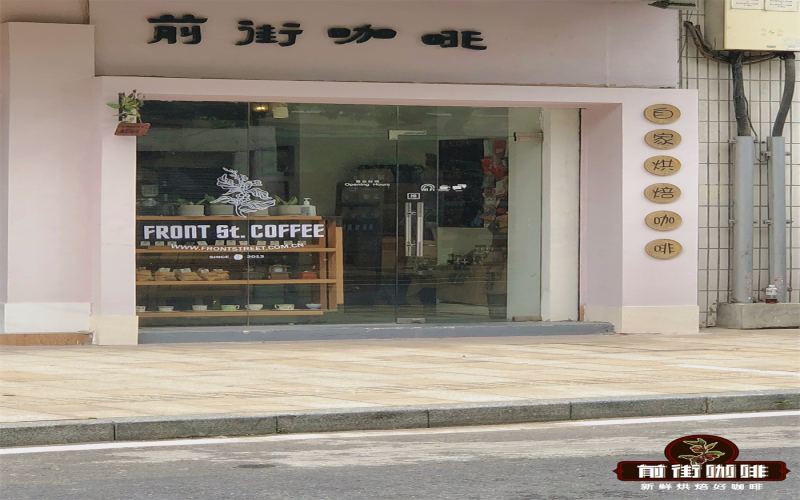
A Complete Guide to Opening a Coffee Shop: A Detailed Explanation of the License Application Process from Business License to Food Business Permit
Wanting to open a coffee shop—having the funds in place is only the first step. What really gives many entrepreneurs a headache is the complicated and cumbersome licensing procedures. From business registration and food business permits, to health, tax, and fire safety, and then to the special approvals for alcohol and roasted coffee, every single item determines whether the shop can operate legally. This article will systematically sort out the various certificates and application processes required to open a coffee shop, helping you clarify your thinking and avoid detours. At the same time, we will also discuss practical points such as site selection strategy, startup capital estimation, and equipment procurement. At the end of the article, Front Street Coffee's contact information is attached; you are welcome to exchange ideas on specialty coffee bean selection and shop-opening experience. [more…]
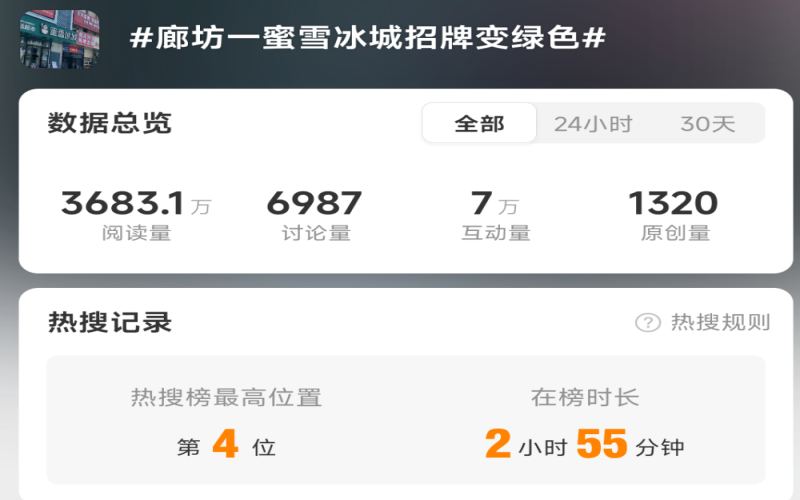
Sanhe City Signage Color Change Controversy: Mixue Bingcheng Required to Change to Green, Red, Blue, and Black Backgrounds Banned
Recently, a notice in Yanjiao, Sanhe, Hebei regarding the color rectification of merchant signs has drawn attention. The local urban management department verbally notified merchants that red, blue, and black storefront signs must be changed to other colors, and the costs of removal and replacement must be borne by the merchants themselves. Signboards of brand stores such as Mixue Bingcheng were forced to change to green or gray-black, and the incident quickly topped Weibo's trending searches. The Sanhe City Urban Management Bureau responded that this move was one step ahead in accordance with urban planning, but the relevant documents had not yet been issued. The similar phenomenon of "unified store signs" is not an isolated case, and this time targeting only common basic commercial color schemes not only lacks sufficient justification but also weakens brand recognition, sparking widespread controversy. [more…]
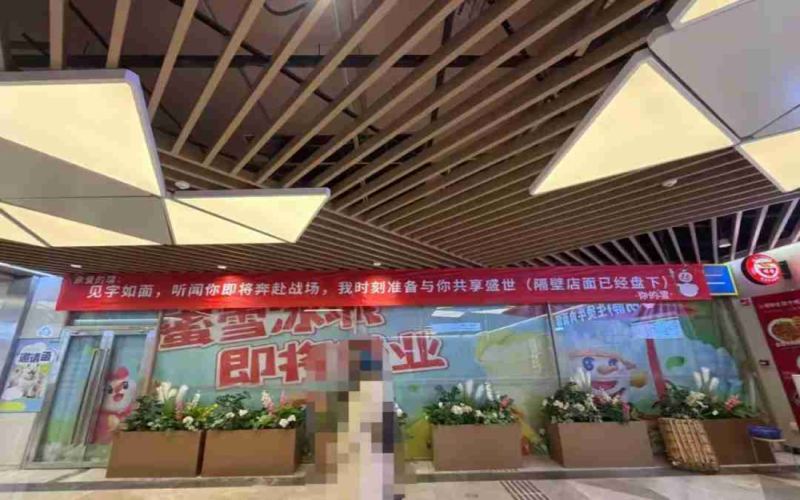
Luckin Coffee opens a new store in Yichang, and Mixue Bingcheng quickly takes over the space next door: the phenomenon of brands following each other's site selection sparks heated discussion
Recently, a netizen in Yichang, Hubei Province, reported that shortly after a new Luckin Coffee store opened, a Mixue Bingcheng hoarding went up next door, along with a playful banner reading "Dear Luckin: It feels like seeing your words face to face..." which quickly drew online attention. Mixue Bingcheng's official account subsequently purchased promotion for the post, prompting netizens to exclaim, "Is this what a business war looks like?" In fact, Mixue Bingcheng following Luckin's site selection has occurred in many places nationwide, jokingly dubbed the "red-blue CP." Some analysts believe that Luckin, leveraging its data analysis capabilities, is the first to secure high-traffic locations, while Mixue Bingcheng saves on site selection costs by taking over nearby vacant storefronts and simultaneously boosts exposure through online topics. Front Street Coffee has also noted that this phenomenon reflects the strategic differences among chain brands in location competition. [more…]
Heytea Caught in WanDianZhang Facial Recognition Scandal, Officials Deny Illegally Collecting Consumer Information
On March 16, Heytea trended on Weibo for using WanDianZhang facial recognition cameras. Previously, CCTV's 315 Gala exposed over 20 well-known brands, including Heytea, Kohler, and BMW, for illegally collecting facial information through WanDianZhang cameras without consumers' knowledge. Heytea responded that the cameras are only for security and will never illegally collect facial data. WanDianZhang stated that the platform's facial data volume has reached hundreds of millions and is drafting an announcement to explain its business scope and rectification measures. This incident has once again sparked public concern over the abuse of facial recognition technology and personal privacy security. [more…]
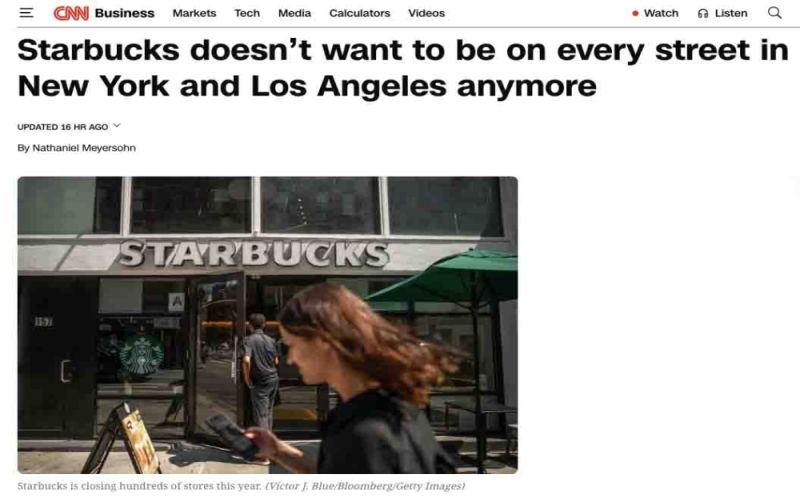
Starbucks Shuts Down About 400 Urban Stores Across the U.S., Shifting Strategic Focus to Suburbs and Store Experience Upgrades
Starbucks is undergoing a profound strategic adjustment. According to foreign media reports such as CNN, this coffee chain giant has closed about 400 stores across the United States, mainly concentrated in core areas of major metropolises such as New York and Los Angeles. New CEO Niccol has made it clear that the company will no longer pursue high-density coverage of urban stores. At the same time, Luckin Coffee is actively expanding in New York, having already opened 9 stores and continuing to scout locations, including some small-format grab-and-go stores that Starbucks has vacated. Starbucks responded that intensifying competition, the spread of remote work, population loss in major cities, and rising operating costs are the main reasons for the adjustment; in the future, it will increase its focus on suburban markets and plans to renovate 1,000 stores within a year to enhance the spatial experience. [more…]
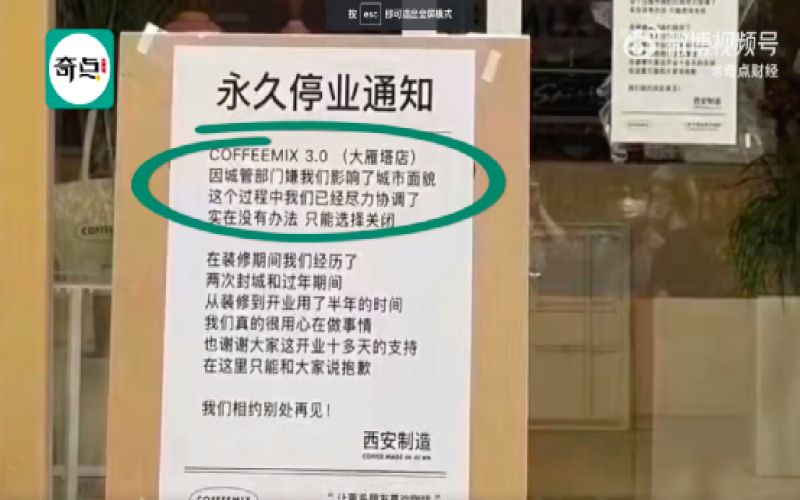
A cafe next to Xi'an's Big Wild Goose Pagoda was demolished because its exterior style did not match the district's character, and it announced permanent closure just over ten days after opening.
The decor of a coffee shop is often an important factor in attracting young consumers, and many community-oriented stores have also adopted influencer-style designs to cater to the market. However, when the appearance of a storefront conflicts with the overall style of the neighborhood it is located in, contradictions arise. A coffee shop near the Big Wild Goose Pagoda scenic area in Xi'an was asked by the urban management department to make rectifications just over ten days after opening because the color of its facade was incompatible with the surrounding Tang-style architecture. In the end, it chose to permanently close due to failure to reach an agreement. The incident sparked heated discussion among netizens: some believed that urban management should not be uniform, while others felt that areas around scenic spots should comply with unified planning. This article will recount the course of the incident and compare it with the successful case of Starbucks in Qingguo Lane, Changzhou, to explore how coffee shops and historic districts can coexist harmoniously. [more…]
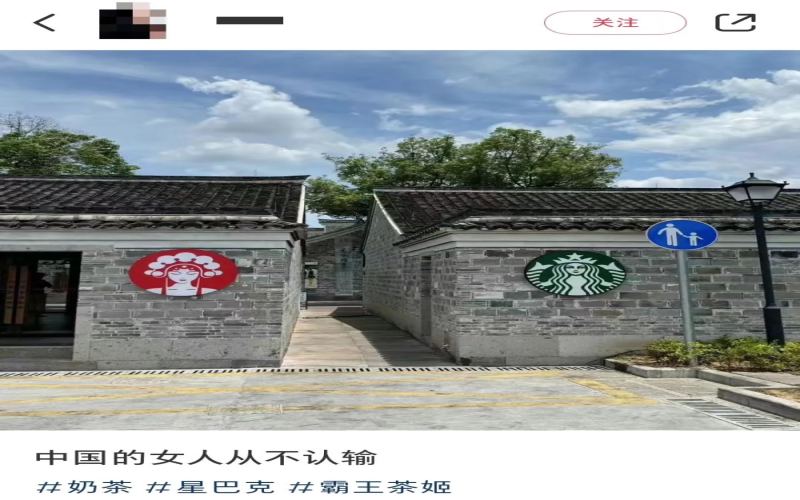
Chagee and Starbucks unexpectedly paired up as a CP due to their storefronts, and the red-and-green color scheme was jokingly called a public toilet commercial war by netizens, observes Front Street Coffee.
When the red songstress meets the green mermaid, a wave of online revelry sparked by a coincidence in signage placement unfolds. Chagee and Starbucks—one sells tea, the other coffee—were playfully paired as a red-and-green couple by netizens at an alley entrance in Cicheng Ancient Town, Ningbo. From jokes about "Chinese women's restroom vs. foreign women's restroom," to Chagee setting sales targets against Starbucks on International Tea Day, and to the insomnia meme triggered by the caffeine content response for "Wanli Mulan," these two major brands keep colliding both offline in the same frame and online in trending topics. Front Street Coffee walks you through the fun and the real rivalry behind this "public restroom commercial war." [more…]
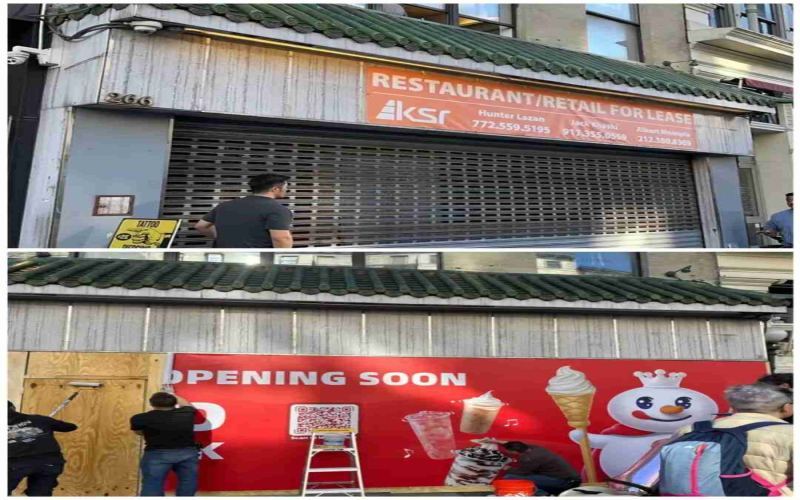
Mixue Bingcheng Signs Three Stores in the US: Hoardings Up in New York's Chinatown, Broadway, and Los Angeles' Hollywood
Mixue Bingcheng has been making frequent moves in the U.S. market. After multiple overseas media outlets reported last month that it would enter New York, the brand has successively put up construction hoardings for two stores in Manhattan's Chinatown and on Broadway, while a third storefront hoarding has also appeared beside Hollywood Walk of Fame in Los Angeles. The three locations are in prime, expensive, and densely trafficked areas, and one of the New York stores is only a few streets away from Luckin Coffee, sparking heated discussion among netizens. All three stores are currently in the renovation stage and are expected to open by the end of the year or early next year. Whether Mixue Bingcheng can continue its domestic low-price strategy and whether it will adjust pricing overseas has become a focal point of attention. [more…]
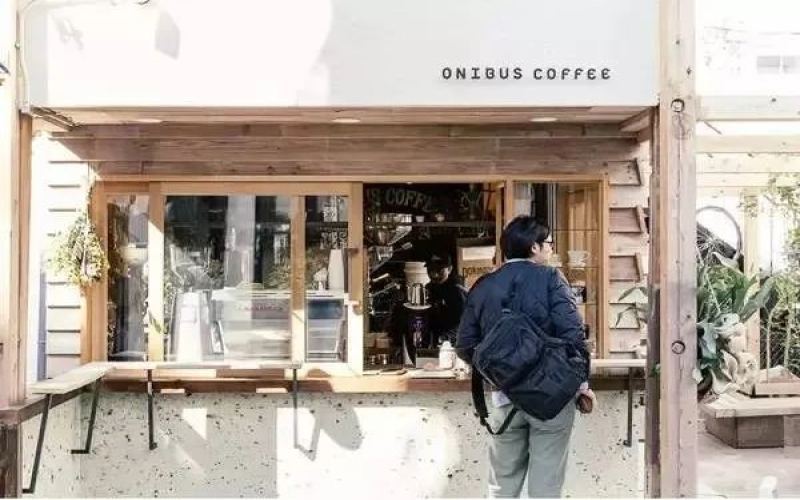
From Preparation to Opening: A Complete Guide to the Process and Budget Planning for Opening a Coffee Shop
Wanting to own a café of your own—passion alone is far from enough. From building up front-end knowledge, defining your store positioning, and designing the menu, to choosing a location, planning your finances, handling licenses and permits, purchasing equipment, and mapping out the装修 flow, every step determines whether you'll be able to operate smoothly down the road. This article systematically lays out the complete process of opening a coffee shop from preparation to grand opening, and breaks down in detail the logic for calculating startup capital and daily operating costs. Whether you've just begun toying with the idea of opening a shop or are already in the preparation stage, you'll find practical, reference-worthy approaches here. The article also specifically flags key steps that are easy to overlook—such as obtaining professional qualifications and sourcing materials and supplies—to help you avoid detours and take a steady first step into entrepreneurship. [more…]
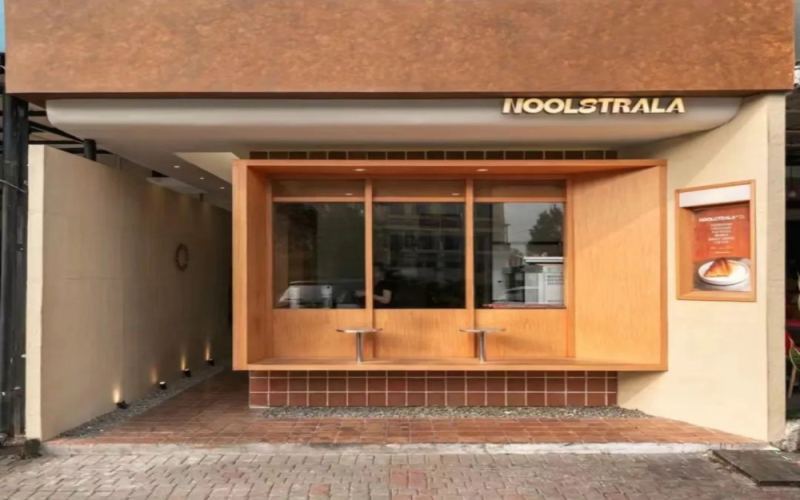
Independent Entrepreneurship or Franchise Chain? Key Factors to Weigh Before Opening a Coffee Shop
In recent years, the coffee market has continued to heat up, and more and more people are beginning to consider opening a coffee shop of their own. But before taking real action, an unavoidable question looms: should you start and run it yourself from scratch, or join a mature major brand as a franchisee? Each path has its pros and cons. Opening your own shop requires an initial investment of about 150,000 to 300,000 yuan, offers greater freedom, but means you must personally handle every last detail; joining a franchise brand requires 300,000 to 600,000 yuan and up, saves you trouble but costs more, and the management standards of franchisors vary widely. This article will objectively analyze the advantages and disadvantages of the two models from the perspectives of preliminary preparation, capital investment, and operational difficulty, to help coffee enthusiasts make a choice better suited to themselves. [more…]

Which brand is reliable when joining a coffee shop franchise? How much does the initial investment actually cost?
In the past year or two, the popularity of coffee entrepreneurship has continued to rise, and many office workers have begun to entertain the idea of opening a shop and becoming their own boss. A coffee shop that seems to have low barriers to entry, requires little investment, and has an artistic atmosphere has become the ideal project in many people's minds. But when they actually start, they discover that they have no idea where to begin, from site selection to promotion, so franchise chains have become a popular option. Advertisements promising "zero threshold" and "easy to be your own boss" are everywhere, but is the reality really that rosy? This article sorts out the main models of coffee franchising today, helps you calculate the upfront investment clearly, and gives the key points to note when choosing a franchise brand, in the hope of offering some reference for those who are still hesitating. [more…]
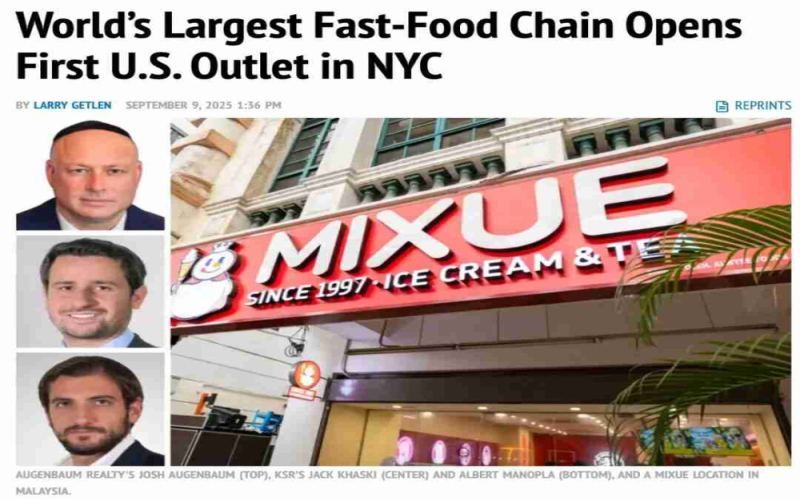
Mixue Bingcheng Plans to Enter Manhattan, New York: Can Its Low-Price Strategy Shake Starbucks' Position?
Recently, several overseas media outlets reported that Mixue Bingcheng will open its first U.S. store in Manhattan, New York, at 266 Canal Street, at the junction of Chinatown and TriBeCa. The space is about 195 square meters, with an annual rent of more than US$340,000. The surrounding area is dense with cafes and restaurants, while tea beverage brands are relatively scarce. Some reports say Mixue Bingcheng has long intended to enter the U.S. market, aiming directly at Starbucks. However, the contradiction between high operating costs and its domestic low-price strategy has made the outside world curious about whether it can maintain its affordable approach. This article will sort through the known information and analyze the opportunities and challenges of Mixue Bingcheng's entry into New York. [more…]
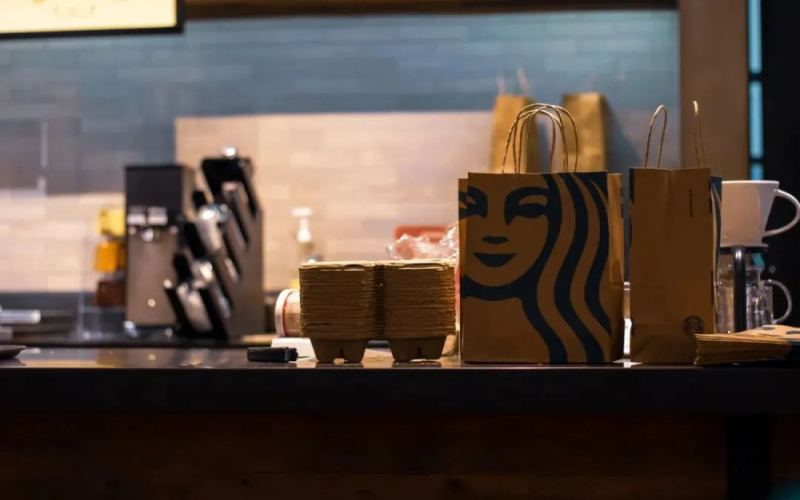
Starbucks goes down to the countryside? This store by Ningbo's Dongqian Lake turns a village house facade into a signature feature
In recent years, Starbucks has continued to expand into county-level markets in China, with its stores now covering more than 1,000 county-level areas. Some new stores have even outperformed those in first-tier cities in terms of profitability. Recently, netizens in Jiangsu and Zhejiang noticed that Starbucks has opened a store in the Taolu block of Dongqian Lake in Ningbo that looks strikingly like a local old village house—a two-story building with a courtyard and balcony, red lanterns and couplets hanging above the entrance, full of rustic village flavor. Is this store a genuine "village café," or a specially designed outlet inside a scenic area? Let's take a look. [more…]
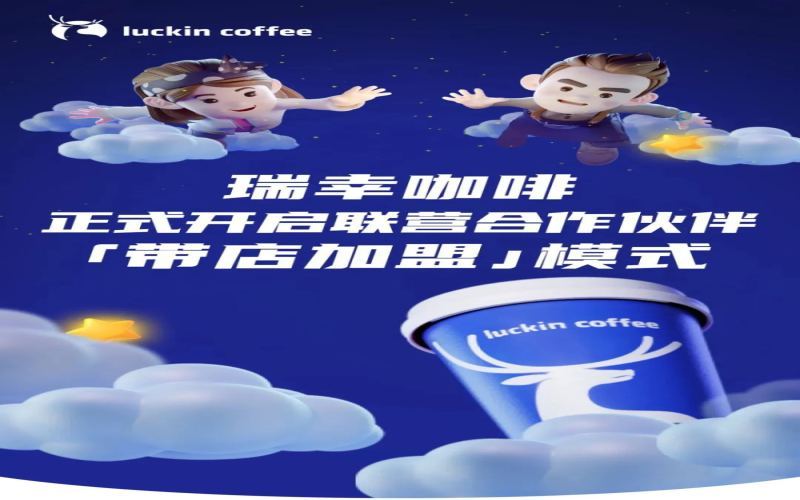
Luckin launches a new franchise strategy with existing stores, and franchisees of brands like Cotti may shift to rebranding their operations.
Luckin Coffee recently announced through its official WeChat account the launch of a "bring-your-own-store franchise" model, opening joint-operation partnerships to investors who are currently operating stores or own commercial properties. The policy has not yet disclosed specific franchise conditions or revenue-sharing plans, but it has clearly defined construction requirements such as store location, area, and storefront signage, and will initially cover 241 cities nationwide, with a focus on avoiding saturated tier-one and tier-two markets. This move is seen as helping Luckin seize more prime locations and attract investors who had originally planned to franchise with other brands such as Cotti to "switch banners" and join. Against the backdrop of ongoing cutthroat competition in the coffee market, Luckin has officially entered the era of 10,000 stores, accelerating expansion through a combined strategy of self-operation, joint operation, and bring-your-own-store franchising. [more…]
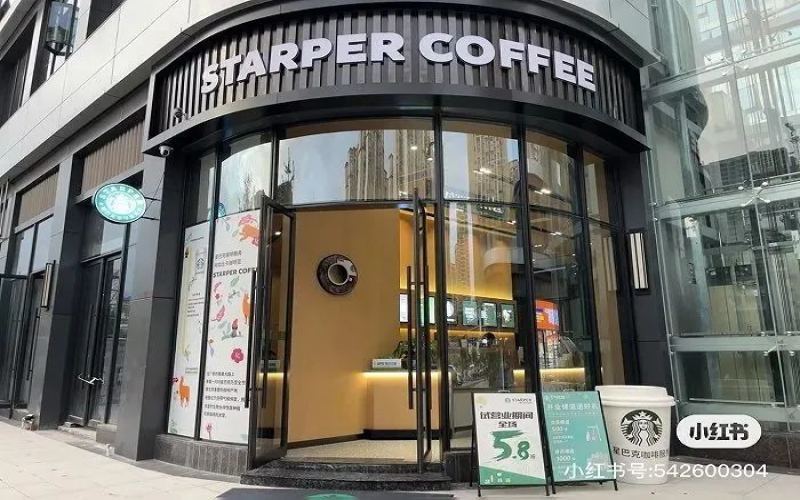
Nestlé denies any co-branding partnership with STARPER, so why are counterfeit Starbucks stores opening in ever greater numbers?
Recently, a batch of coffee shops named "STARPER COFFEE" has quietly appeared in several small counties across the country. Their storefront designs, brand logos, and even menus are highly similar to those of Starbucks, drawing widespread attention from consumers. These shops claim to be co-branded service stations of Nestlé and Starbucks, but Nestlé has explicitly denied having any contractual relationship with the party that registered the "STARPER" trademark and pointed out that its actions are suspected of trademark infringement. Nestlé also issued a solemn statement emphasizing that the "Starbucks Coffee Service" project has never opened franchising or agency. Meanwhile, the supply chain company involved has applied for multiple similar trademarks, all of which are currently in substantive examination. This article will sort out the whole incident and restore the ins and outs of this brand confusion controversy. [more…]
Shanghai's New Food Business Regulations Take Effect in May: Mixed Operations of Coffee and Catering Allowed, Site Area Threshold Abolished
Shanghai recently issued the "Implementation Measures for the Administration of Food Business Licensing and Filing in Shanghai," effective from May 10, 2024. The new regulations abolish secondary-category licensing items and support mixed multi-format operations, allowing coffee shops, bars, and others to coexist in the same storefront, while non-catering stores such as bookshops and clothing stores can also apply for a business permit to make beverages on-site. At the same time, "made and sold on-site" has been adjusted to "made and sold on the premises," the 19 business catalog items have been simplified into 4 categories—hot food, cold food, raw food, and self-made beverages—and the 6-square-meter production site restriction has been removed. In response to the long-disputed "smashed cucumber" issue, the new regulations allow a dedicated area only. Whether the policy benefits can activate the market and ensure food safety still needs time to be tested. [more…]